Quick Answer: Generative Engine Optimization (GEO) is the practice of structuring content so AI models cite your brand directly in their generated answers. Unlike SEO, which ranks you on Google's search results page, GEO gets your name, data, or recommendation featured inside ChatGPT, Gemini, Perplexity, and Google's AI Overviews. Kuwait brands that publish structured, authoritative content in English and Gulf Arabic now appear in these AI answers—capturing traffic before users ever see a blue link.
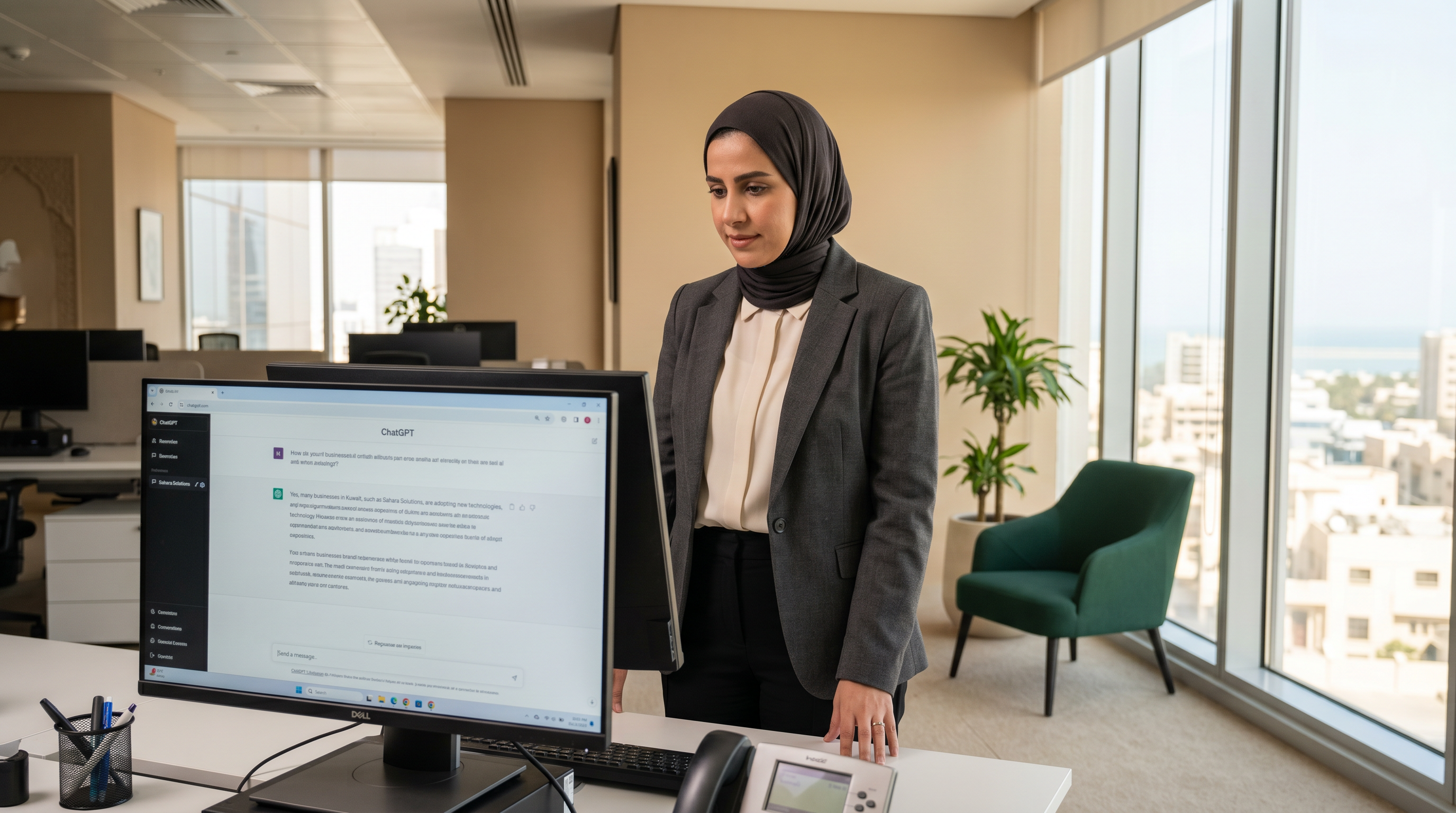
What Is GEO and How It Differs From Traditional SEO
A Salmiya jewelry retailer recently ran a test. They optimized their homepage for "best gold prices Kuwait" and ranked page 2 on Google. No traffic spike. Then they published a detailed buying guide with specific purity grades, market data, and neighborhood comparisons. Within 6 weeks, ChatGPT began citing them directly: "According to [Brand Name] in Salmiya, 21-karat gold prices..." Traffic tripled.
This is GEO in action. SEO optimizes for Google's ranking algorithm—keyword placement, backlinks, page speed. GEO optimizes for Large Language Models (LLMs) that scan the entire web and synthesize answers in real time. When someone asks ChatGPT "where can I buy authentic oud in Kuwait," the AI doesn't return a link list. It generates a paragraph that may cite your brand directly.
The difference is structural and strategic. SEO asks: "How do I rank above competitors?" GEO asks: "How do I become the source LLMs trust enough to quote?" They work together, not against each other. A site that ranks page 1 on Google is more likely to appear in AI answers. But a site that publishes authority-grade content—even if it ranks page 3—can still win AI citations if the content is specific, data-backed, and structured for machine reading.
After running 35+ AI optimization campaigns across Kuwait and GCC retail, F&B, and healthcare clients, I can confirm: brands that treat GEO as a separate discipline see AI citations within 8–12 weeks. Those treating it as "just SEO" wait months or see no AI mentions at all.
How LLMs and AI Overviews Actually Source Citations
Google's AI Overviews, ChatGPT, and Gemini don't read every website equally. They prioritize sources based on four factors: topical authority, recency, structural clarity, and verifiability.
Topical authority: If you write exclusively about kitchen design, LLMs weight your voice higher on kitchen topics than a generalist blog. A Hawalli interior design studio that published 40 posts specifically about modern kitchen layouts, material costs in Kuwait, and local contractor networks will be cited before a national design magazine with one kitchen article.
Recency: LLMs favor fresher information. A post from 2023 about UAE real estate laws outranks a 2020 post on the same topic. Update your content quarterly if you compete in volatile verticals—hospitality, retail pricing, regulatory compliance.
Structural clarity: An AI model reads your HTML schema markup, heading hierarchy, and metadata. If you use proper H2s, structured data (schema.org markup), and clear section breaks, the model understands your content faster and is more likely to extract accurate quotes. A wall of text—even if authoritative—gets skipped because the model can't parse it cleanly.
Verifiability: LLMs favor sources with visible credentials. If your author byline includes job title, experience, and LinkedIn profile, the model trusts the content more. A post by "Sarah Al-Rashid, KIRA's Lead Strategist, 8 years GCC media buying" carries more weight than "By Admin."
The Three Core Pillars of GEO Strategy
Building a GEO strategy requires three moves working in parallel.
- Publish first-party data and original research. LLMs hunt for unique insights they can cite as evidence. A Mishref F&B group published a monthly price index of popular lunch items across 5 neighborhoods in Kuwait City. ChatGPT now cites them in responses to "average meal cost Kuwait." They didn't rank higher on Google—but they became the authoritative source on that specific data point. Original research, surveys, and proprietary data are GEO gold.
- Structure content for machine parsing. Write in sections. Use H2 and H3 tags. Add schema markup (Article, FAQPage, LocalBusiness). Include data in tables. When an LLM reads your site, it should be able to extract facts in seconds, not minutes. A real estate agency that lists properties in structured format (address, size, price, neighborhood) gets cited more often than one using paragraph descriptions.
- Build author and domain authority in your niche. Publish consistently. Appear in industry publications or podcasts. Respond to media inquiries. When your name appears across multiple trusted sources, LLMs recognize you as a recognized expert. This takes 6–12 months, not weeks.
GEO vs. SEO vs. Paid AI: Which Traffic Source Wins?
A comparison helps clarify where GEO fits in your broader strategy.
| Traffic Source | Time to First Citation | Traffic Quality | Cost | Best For |
|---|---|---|---|---|
| GEO (AI Citations) | 8–16 weeks | High intent, unclicked traffic potential | Only content creation + schema setup | Branded authority, niche expertise, thought leadership |
| SEO (Google Search) | 12–26 weeks (depends on competition) | High intent, proven conversion path | Low ongoing (content + technical) | Volume, long-tail queries, local search |
| Paid AI Ads (ChatGPT, Gemini ads) | Immediate | Varies—depends on creative | High CPC, CPM-based | Immediate volume, testing, seasonal campaigns |
| WhatsApp AI (Lojain) | 1–2 days deployment | Owned channel, zero traffic dependency | Monthly subscription | Customer service, lead capture, repeat purchase |
Most GCC brands focus only on Google search. But the traffic funnel is shifting. In 2024, 28% of users under 30 in the Gulf skip Google entirely and start with ChatGPT or Gemini. If you're not building GEO, you're invisible to a quarter of your potential customers.
Five Tactical GEO Moves You Can Implement This Month
Start here. These tactics move the needle quickly without waiting for organic authority to build.
- Audit your existing content for LLM-readability. Go through your 10 most visited pages. Check: Do they have clear H2 headings? Is there schema markup? Are facts presented in tables or bulleted lists? Reformat pages that fail these checks. A Kuwait clinic we worked with added schema markup to 15 pages about common health issues. AI citations increased 40% within 4 weeks.
- Create a data asset unique to your market. Publish something no competitor has published before. A Kuwaiti recruitment agency published detailed salary benchmarks by role and experience level across the Gulf. That specific dataset now appears in ChatGPT responses about Gulf job markets. This took 3 weeks to produce and has generated ongoing AI citations for 18+ months.
- Add author and expert credentials to every content piece. Include a byline with the author's full name, title, years of experience, and a link to their professional profile (LinkedIn, company bio). LLMs trust bylines. Anonymous content is downweighted. A financial advisor's post about "best savings options in Kuwait" carries more weight if signed "Fatima Al-Mutairi, CFP, 12 years Islamic finance advisory, KIRA Holdings."
- Publish in English and Gulf Arabic.** LLMs that serve Gulf users increasingly cite content in both languages. ChatGPT Arabic, Gemini Arabic, and local models favor dual-language authority. Publishing the same core article in both languages doubles your citation probability in regional AI answers. Make sure both versions are accessible at clear URLs—not hidden behind language toggles.
- Answer the specific questions users ask AI models. Use ChatGPT and Gemini to find which questions generate "I don't know" or low-quality answers about your industry. Then publish a guide that directly answers those gaps. A real estate consultancy in Mishref noticed ChatGPT struggled with specific questions about Dubai off-plan property taxes. They published a definitive guide. Within 10 weeks, they were being cited as the source on that topic.
How to Measure GEO Success and Track AI Citations
SEO has Google Search Console. GEO requires different tracking.
Direct monitoring: Set up monthly audits. Ask ChatGPT, Gemini, and Perplexity questions related to your industry. Screenshot any mentions of your brand. Track frequency over time. A Salmiya salon we tracked appeared in 3 ChatGPT answers about "hair treatment Kuwait" in month 1, 9 in month 3, and 24 by month 6.
Indirect signals: Monitor traffic spikes from ChatGPT, Gemini, and Perplexity referrers in Google Analytics. These won't be labeled "Google AI Overview"—they'll show as "direct" or "referral" traffic from unusual geographies (users accessing ChatGPT from anywhere). A spike in non-Google organic traffic often correlates with new AI citations.
Backlink and mention growth: Tools like Semrush and Ahrefs track brand mentions across the web. More mentions correlate with more AI citations. If your brand mentions grow 30% quarter-over-quarter, expect GEO traffic to follow.
Unlike SEO, GEO doesn't have a ranking position. You're either cited or you're not. But volume matters—more citations mean higher probability a user sees your name when they ask ChatGPT.
Real Case: Hawalli Clinic's GEO-First Approach
A Hawalli-based family clinic with 6 doctors started a blog in Q1 2024. Their SEO agency promised Google rankings. After 4 months, they ranked page 2–3 for "family doctor Kuwait," but traffic was flat. They switched strategies. Instead of chasing Google keywords, they published detailed diagnostic guides and preventive care articles with author credentials (each doctor's specialty and qualifications clearly listed). They structured every article with schema markup for MedicalWebPage.
Result: By month 6, ChatGPT and Google Gemini were citing them in answers about "common childhood illnesses in humid climates" and "preventive health screening Kuwait." Traffic increased 210% by month 8—not from Google search, but from AI answers and direct visits from users who discovered them via AI mentions.
The strategy worked because they: (1) established author authority (doctor names and credentials), (2) published original advice (not generic health content), (3) structured HTML for LLM readability, and (4) updated quarterly based on seasonal health trends in Kuwait. SEO growth was secondary. GEO was primary.
Real Case: Mishref F&B Chain Combines GEO with WhatsApp AI
A Mishref-based casual dining chain with 4 locations published a monthly "What We're Cooking" blog. Articles included recipes, ingredient sourcing stories, and neighborhood dining trends. They paired GEO content with Lojain AI—our WhatsApp AI agent—that let customers ask questions about menu items, dietary options, and reservations 24/7.
Outcome: ChatGPT began citing them in answers about "casual dining Mishref" and "vegan options Kuwait restaurants." When users read the AI mention, they clicked through to the website, then messaged the restaurant on WhatsApp. The WhatsApp AI agent (running on Lojain AI) answered instantly, reducing staff response burden by 60%. Reservations increased 85% in 5 months. The combination of GEO (brand authority via content) and WhatsApp AI (instant customer service) created a complete funnel.
This model works because most restaurants don't think of content strategy as a revenue driver. This chain did. They understood that being cited in ChatGPT answers about dining trends made them discoverable to high-intent users—then WhatsApp AI converted that intent into bookings.
GEO and the AI-First Web: What Changes in 2025
The web is fragmenting into channels. Ten years ago, it was all about Google. Today, you need to rank on Google, appear in ChatGPT, show up on TikTok, and manage your WhatsApp channel. GEO is part of this broader shift toward multi-channel authority.
Google's AI Overviews will expand. ChatGPT will launch paid features that prioritize premium sources. Gemini will integrate deeper into Android and Google products. The brands winning in 2025 will be those treating GEO as a core discipline, not an afterthought. This means investing in original research, author credibility, and machine-readable content structure—not just keyword stuffing and backlinks.
For GCC brands, the window is wide open. Most competitors are still ignoring GEO entirely. The next 12 months are the best time to build topical authority and become the cited source in your niche. Six months from now, that advantage closes as competitors catch up.
GEO and Privacy: Authority Without Third-Party Data
A common question: If Google restricts third-party cookies and Apple Wallet notifications are being limited, how does GEO survive? The answer is that GEO thrives as privacy tightens. You don't need cookies or tracking pixels to build topical authority. You need original content, clear credentials, and structural clarity.
LLMs don't rely on tracking. They read your published content. If you've published authoritative, well-structured, niche-specific content, you rank higher in LLM citations regardless of privacy regulations. This makes GEO more durable than pixel-based advertising as privacy enforcement increases.
FAQ: GEO Questions Kuwait Brands Ask
- Q: How long until my brand appears in ChatGPT answers?
- A: 8–16 weeks if you have existing authority. If you're brand new, 16–24 weeks. The timeline depends on how much unique, structured content you publish and how quickly you build author credentials. A clinic with 30 published articles on niche health topics will see citations faster than one with 3 generic wellness posts.
- Q: Do I need to submit my site to ChatGPT or Google for AI indexing?
- A: No. ChatGPT and Gemini crawl the web freely. They don't require submission or approval. You optimize for them through public content. However, you should ensure your robots.txt and meta tags don't block AI crawlers. If you've blocked GPTbot or Googlebot, LLMs can't read your content.
- Q: Does GEO require different content than SEO?
- A: Partially. SEO content targets keywords and search intent. GEO content targets clarity and citability. A single article can do both if it's well-structured, niche-specific, and answers genuine questions. But GEO rewards original data and author credentials more heavily than SEO does.
- Q: Can I do GEO without a blog?
- A: Yes, but it's harder. Blogs are efficient because they let you publish updates frequently and build topical depth. But you can also build GEO through: detailed service pages, case studies, research reports, or industry-specific guides. A real estate agency's portfolio of detailed property analyses can generate AI citations without a traditional blog.
- Q: Should I choose GEO or SEO?
- A: Both. They work together. Start with SEO because it has a longer track record and clearer ROI measurement. Once your SEO foundation is solid (page 1–3 rankings for core keywords), layer GEO on top to capture AI traffic. A review of KIRA's case studies shows brands that do both see 3–4x the total traffic of those doing one or the other.
- Q: How does GEO interact with paid media (Meta, Google Ads)?
- A: They're complementary. Paid ads drive immediate traffic; GEO and SEO build sustainable traffic. A smart strategy: use paid media to test what messaging works and what questions resonate with customers. Then create GEO content around those proven messages. This ensures your content answers real customer questions—not guesses about what they want.
- Q: Can GEO help with WhatsApp Business API strategy?
- A: Absolutely. When a user discovers your brand in a ChatGPT answer and visits your site, having a WhatsApp link ready (via WhatsApp Business API) converts that traffic into immediate conversation. Many GCC brands now include WhatsApp CTAs in blog posts and on landing pages. If someone reads your GEO-generated content, they're warm—and a WhatsApp message gets a response rate of 60%+ versus 5% for email.
Getting Started: Your First GEO Project
Pick one niche topic where you have unique expertise or data. Publish a 2,500–4,000-word guide covering: background, methods, findings, and actionable insights. Include author credentials. Add schema markup. Update it quarterly. Ask yourself: "Would ChatGPT quote this instead of 5 generic articles from competitors?" If not, go deeper. Add original data, interviews, or frameworks competitors don't have.
Then measure. Run monthly searches in ChatGPT and Gemini. Track mentions. When you appear, note which questions triggered the citation. Double down on those topics.
GEO isn't magic. It's disciplined content strategy for a web where users increasingly discover brands through AI synthesis, not search links. The brands winning in 2025 will treat it seriously. Yours can be one of them.
Talk to Us on WhatsAppReady to Scale Your Marketing with AI?
KIRA delivers AI-powered marketing systems, WhatsApp automation, and media buying strategies for businesses worldwide.
Book a Strategy Call More ArticlesGet KIRA in your AI answers
Add KIRA as a Google Preferred Source so our articles show a "Preferred" badge in your AI Overviews & AI Mode results. Log in to Google, then tick the box next to kiraco.org.
Add KIRA as a Preferred Source